
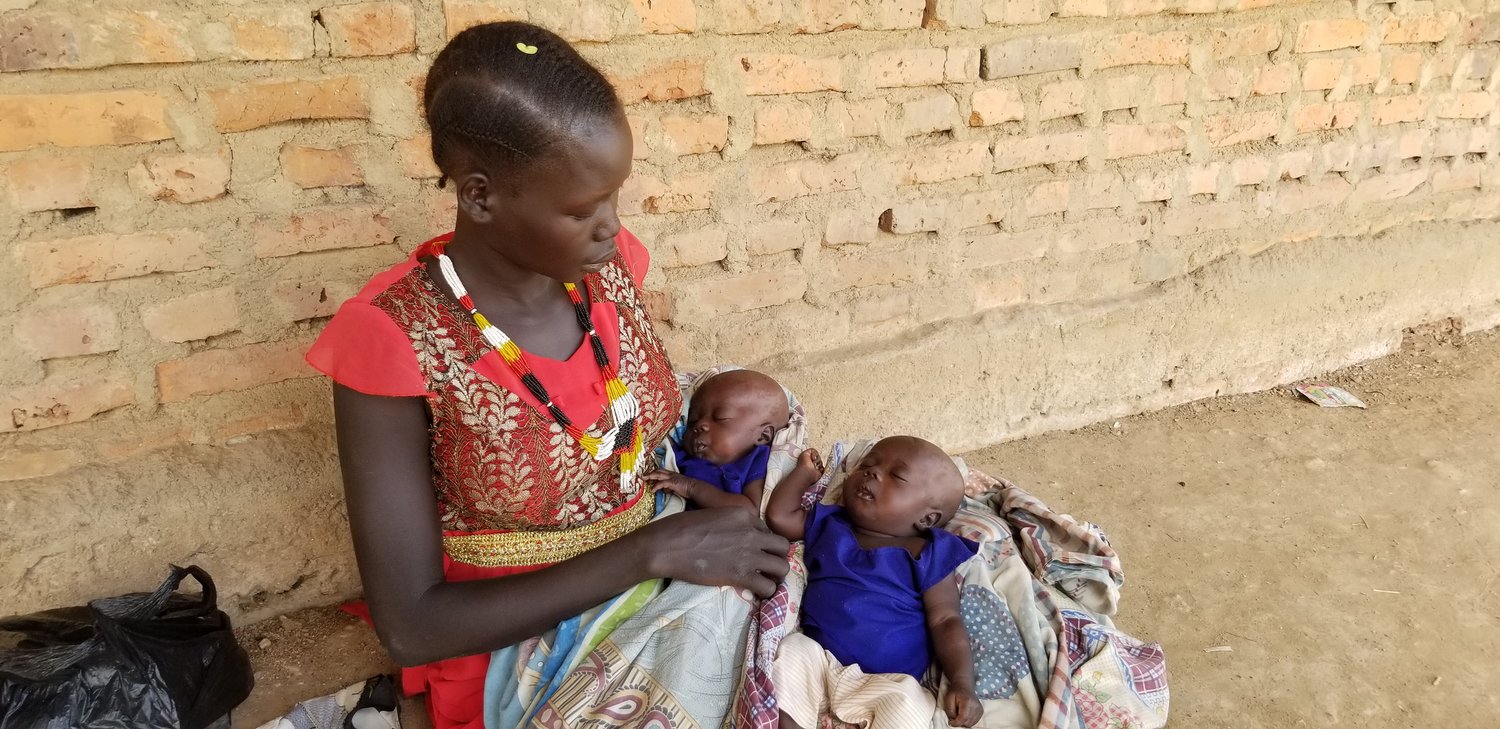
Understanding Reproduction, Infant and Maternal Mortality, and Morbidity in Mali
Mali, a West African nation, faces significant challenges when it comes to public health, particularly in the areas of reproduction, infant and maternal mortality, and morbidity. The country’s health system is under strain, with limited access to healthcare services, especially in rural areas. These challenges contribute to some of the highest rates of infant and maternal mortality in the world, as well as high morbidity rates among children and adults.
Reproductive Health in Mali
Reproductive health is a critical issue in Mali, where traditional practices, limited access to healthcare, and socio-economic barriers affect women’s and children’s health outcomes. Many women lack access to family planning services, prenatal care, and skilled medical assistance during childbirth, leading to complications in pregnancy and delivery.
Family Planning and Access to Care
While Mali has made some progress in improving reproductive health services, access to family planning remains limited, particularly in rural regions. According to UNICEF, the contraceptive prevalence rate is around 16%, and many women, especially in rural areas, have little or no access to birth control. This lack of access leads to high fertility rates, with the average woman in Mali giving birth to 5-6 children during her lifetime.
Inadequate reproductive health education and the limited availability of contraceptives contribute to unplanned pregnancies, early marriage, and closely spaced births, which increase the risk of complications for both mother and child. Early pregnancy is a common issue, as cultural norms often encourage girls to marry at a young age, sometimes as early as 15, which significantly increases their health risks during pregnancy and childbirth.
Maternal Mortality in Mali
Maternal mortality is a severe public health issue in Mali, with the country having one of the highest maternal mortality rates in the world. According to the World Health Organization (WHO), the maternal mortality rate in Mali is about 562 deaths per 100,000 live births. This means that hundreds of women die each year due to complications during pregnancy and childbirth.
Key Causes of Maternal Mortality
The leading causes of maternal mortality in Mali include:
- Hemorrhage (excessive bleeding)
- Infections
- Eclampsia (high blood pressure during pregnancy)
- Unsafe abortions
- Obstructed labor
These complications are often preventable with timely access to skilled healthcare. However, the shortage of trained healthcare professionals, particularly in rural areas, means many women give birth without the help of a skilled attendant. Inadequate healthcare infrastructure, poor roads, and the long distances many women must travel to reach a health facility exacerbate the situation.
Lack of Prenatal and Postnatal Care
Many Malian women do not receive adequate prenatal or postnatal care, further increasing the risk of complications. Health facilities in rural regions are often poorly equipped, with a shortage of medical supplies, trained midwives, and obstetricians. This results in high-risk pregnancies and maternal deaths, particularly in areas far from urban centers where more advanced healthcare is available.
Infant Mortality in Mali
Mali also faces one of the highest infant mortality rates globally. According to the WHO, the infant mortality rate stands at 64 deaths per 1,000 live births. This translates into thousands of newborns dying each year before reaching their first birthday.
Leading Causes of Infant Mortality
The primary causes of infant mortality in Mali include:
- Birth complications (premature birth, low birth weight)
- Infections (pneumonia, sepsis)
- Malnutrition
- Malaria and other preventable diseases
Newborns are particularly vulnerable in the first 28 days of life, and the lack of healthcare infrastructure, skilled birth attendants, and essential newborn care services significantly contributes to the high death toll. Poor hygiene practices during birth, lack of neonatal care, and untreated infections are also critical issues.
Child Morbidity and Malnutrition
Child morbidity, or illness, is another pressing concern in Mali. Many children suffer from preventable diseases that are exacerbated by malnutrition, poor sanitation, and limited access to clean water.
Malnutrition
Malnutrition is a leading factor in child morbidity in Mali, affecting more than a quarter of children under five. Chronic malnutrition, or stunting, affects children’s growth and cognitive development, leaving lasting impacts on their health and ability to learn. The causes of malnutrition are linked to food insecurity, poor maternal health, and inadequate feeding practices for infants and young children.
Infectious Diseases
Children in Mali are particularly susceptible to infectious diseases such as malaria, diarrhea, pneumonia, and respiratory infections. These illnesses are often worsened by the lack of access to clean water and sanitation facilities, which increases the risk of waterborne diseases.
Vaccination coverage, although improving, remains inconsistent, with many children not receiving the full set of immunizations required to protect them from diseases like measles, polio, and diphtheria. The combination of poor healthcare access, malnutrition, and infectious diseases creates a high burden of illness, especially in rural areas.
The Path to Improvement
While the challenges in Mali’s reproductive health, infant and maternal mortality, and morbidity are significant, there are opportunities for improvement. Several initiatives are underway to address these issues, including efforts by the Malian government, international organizations, and local NGOs.
Improving Healthcare Access
Expanding access to healthcare, particularly in rural and conflict-affected areas, is critical. Building more healthcare facilities, training midwives, nurses, and doctors, and ensuring that health centers are stocked with necessary supplies can help reduce maternal and infant deaths.
Education and Family Planning
Raising awareness about the importance of family planning and reproductive health is also essential. Community outreach programs can help educate women and families about family planning options, prenatal care, and safe childbirth practices. Access to contraceptives and family planning services must be expanded to give women the ability to space pregnancies and reduce health risks.
Addressing Malnutrition and Disease
Tackling malnutrition and improving access to clean water and sanitation are key to reducing child morbidity. Strengthening immunization campaigns and expanding nutrition programs for pregnant women and young children can help reduce the incidence of preventable diseases.
Conclusion
Mali’s current public health challenges, particularly in the areas of reproduction, maternal and infant mortality, and morbidity, are daunting. However, with continued efforts to improve healthcare infrastructure, access to family planning, and education on maternal and child health, progress can be made. Organizations working on the ground, alongside the Malian government and international partners, are crucial in helping to create a future where women and children can thrive in better health conditions.

