
Situation Analysis: Education in Mali Amidst Rebellion and Extreme Poverty
Overview:
Mali, a landlocked country in West Africa, is experiencing one of the most severe education crises in the world. The ongoing rebellion, coupled with extreme poverty, has left a significant portion of the country’s youth without access to education. This situation not only hampers individual development but also threatens the country’s long-term socio-economic stability and growth.
Impact of Rebellion:
The northern and central regions of Mali have been particularly affected by the insurgency, which began in 2012. Armed groups, including separatist rebels and jihadist factions, have created an environment of violence and instability. Schools have become targets of attacks, with buildings being looted, burned, and occupied by militants. Teachers face threats, abductions, and assassinations, leading many to flee their posts or refuse to work in conflict zones.
Displacement and Accessibility:
The conflict has displaced hundreds of thousands of families, forcing children to abandon their homes and schools. Displacement camps and temporary shelters often lack basic educational facilities. Children are left without any form of formal education, and the psychological trauma from the violence further impedes their ability to learn and thrive.
Extreme Poverty:
Mali is one of the poorest countries in the world, with over 40% of its population living below the poverty line. In rural areas, where the majority of the population resides, poverty rates are even higher. Families struggle to meet basic needs, such as food and shelter, making education a secondary priority. School fees, uniforms, and supplies are often unaffordable, further discouraging attendance.
Educational Infrastructure:
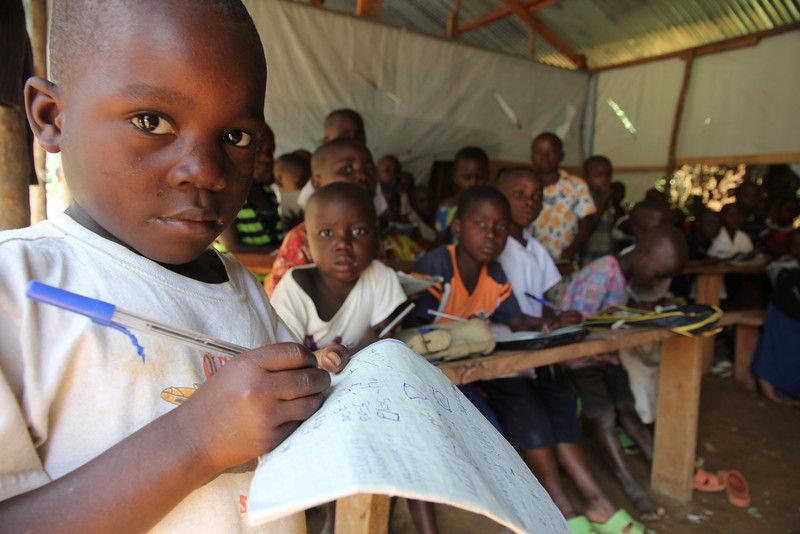
The infrastructure for education in Mali is grossly inadequate. Many schools lack essential facilities, such as classrooms, desks, and sanitation. In regions affected by conflict, the situation is dire, with schools either destroyed or repurposed by armed groups. The shortage of qualified teachers exacerbates the problem, as those willing to teach in conflict zones are few and far between.
Quality of Education:
Even in areas where schools are operational, the quality of education is severely compromised. Overcrowded classrooms, lack of teaching materials, and underqualified teachers contribute to poor learning outcomes. The curriculum is often outdated, and the emphasis on rote learning fails to equip students with critical thinking skills and practical knowledge.
Gender Disparities:
Girls face additional barriers to education. Cultural norms and security concerns discourage families from sending girls to school, especially in conflict-affected areas. Early marriage and child labor are prevalent, further reducing the number of girls who can pursue an education.
International Aid and Intervention:
While international organizations and NGOs are actively working to mitigate the crisis, their efforts are often hindered by the ongoing conflict and bureaucratic challenges. Humanitarian aid focuses on providing emergency education services in displacement camps and conflict zones, but these initiatives are insufficient to address the widespread educational needs of the population.
Consequences:
The lack of access to quality education in Mali has long-term consequences. A generation of children is growing up without the skills and knowledge needed to contribute to the country’s development. Illiteracy rates are rising, and the youth are increasingly vulnerable to exploitation by armed groups, who offer financial incentives in exchange for joining their ranks.
Recommendations for Improvement:
- Security and Protection: Establish safe zones and secure routes for children to travel to and from school. Increase protection for schools, teachers, and students in conflict areas.
- Emergency Education Programs: Expand emergency education initiatives in displacement camps and conflict-affected regions, ensuring access to basic education for all children.
- Infrastructure Development: Rebuild and equip schools with necessary facilities and materials. Provide mobile classrooms and temporary learning spaces where permanent structures are not feasible.
- Teacher Training and Support: Train and support local teachers, offering incentives for those willing to work in challenging environments. Provide psychosocial support to address the trauma faced by students and teachers.
- Community Engagement: Work with local communities to change cultural attitudes towards education, particularly for girls. Promote the importance of education and encourage community involvement in protecting and supporting schools.
- Economic Support: Implement programs that provide financial assistance to families, reducing the economic burden of schooling and preventing child labor and early marriage.
- Partnerships: Strengthen partnerships between the Malian government, international organizations, NGOs, and local communities to create a coordinated and effective response to the education crisis.
By addressing these critical areas, Mali can begin to rebuild its education system and offer hope for a brighter future to its children, despite the ongoing challenges posed by rebellion and poverty.

